This post contains affiliate links. As an Amazon Associate I earn from qualifying purchases.
I still remember sitting in my grandmother’s kitchen on a cold December evening, watching her stir a steaming pot of hot cocoa while the smell of vanilla and rich chocolate filled the air. She didn’t use dairy back then—it was just her way of making something that felt luxurious yet comforting, something that wrapped around you like a warm blanket. Years later, as a registered dietitian, I’ve learned that almond milk hot cocoa isn’t just nostalgia; it’s a smart, heart-healthy choice that honors both tradition and modern wellness. Whether you’re looking for a dairy-free alternative or simply want to enjoy a moment of pure comfort, this almond milk hot cocoa recipe is your ticket to that same cozy feeling I experienced in her kitchen.
Authentic Almond Milk Hot Cocoa Recipe: The Story Behind the Recipe
My journey with this recipe started long before I understood nutrition science. My grandmother would tell me stories about how her mother made hot cocoa during hard times—stretching ingredients, making magic from simplicity. The almond milk version became my family’s signature because it was accessible, it was kind to our bodies, and it tasted absolutely divine when made with intention and care.
As I studied nutrition in Texas, I discovered that almond milk wasn’t just a modern trend. It’s a beverage base that dates back centuries in Mediterranean and Middle Eastern traditions, where almonds were precious and prized. When you blend that heritage with quality cocoa powder and a touch of vanilla, you’re creating something that honors both the past and present. This recipe is my way of keeping that tradition alive while making sure every cup serves your wellness goals too.
The History and Cultural Significance of Almond Milk Hot Cocoa Recipe
Hot cocoa itself has a fascinating history that weaves through Spanish colonial times, when chocolate was considered a luxury drink reserved for the wealthy. The Spanish conquistadors brought cacao back from the Americas, and it quickly became a symbol of sophistication and comfort. Over centuries, different cultures adapted hot cocoa to their own traditions and available ingredients.
Almond milk, on the other hand, has roots in medieval European convents and Middle Eastern kitchens. Monks created almond milk as a dairy alternative centuries before modern plant-based movements made it mainstream. When you combine these two histories—chocolate’s journey from the Americas and almond milk’s European monastic tradition—you get a beverage that represents cultural exchange and innovation.
In Texas, where I practice, we’ve always celebrated bold flavors and accessible comfort. This almond milk hot cocoa bridges those worlds beautifully. It’s not about replacing tradition; it’s about honoring it while making room for different dietary needs, health considerations, and personal choices. Every spoonful carries that respect for heritage.
What Makes an Authentic Almond Milk Hot Cocoa Recipe
An authentic hot cocoa—whether dairy or plant-based—comes down to technique and quality ingredients, not shortcuts. Too many store-bought versions rely on syrups and artificial flavors. The real magic happens when you start with cocoa powder, not chocolate syrup, and build your drink from the ground up.
- Unsweetened cocoa powder as your foundation – Real cocoa powder contains polyphenols and antioxidants that boost flavor complexity and provide genuine health benefits. It’s the difference between a drink that tastes like cocoa and one that tastes like cocoa-flavored sugar. Quality matters here because you’re literally tasting the difference.
- The cocoa-to-liquid ratio – Authentic hot cocoa isn’t overly thin or pastry-like. It has body, richness, and depth. Using the proper proportion of cocoa powder ensures you get that signature velvety texture that coats your mouth in the best possible way.
- A slow, deliberate whisking method – This isn’t something you rush. Whisking cocoa powder with hot water before adding almond milk creates an emulsion that prevents separation and ensures even distribution of chocolate flavor throughout your cup.
The Ingredients – Sourcing the Real Thing
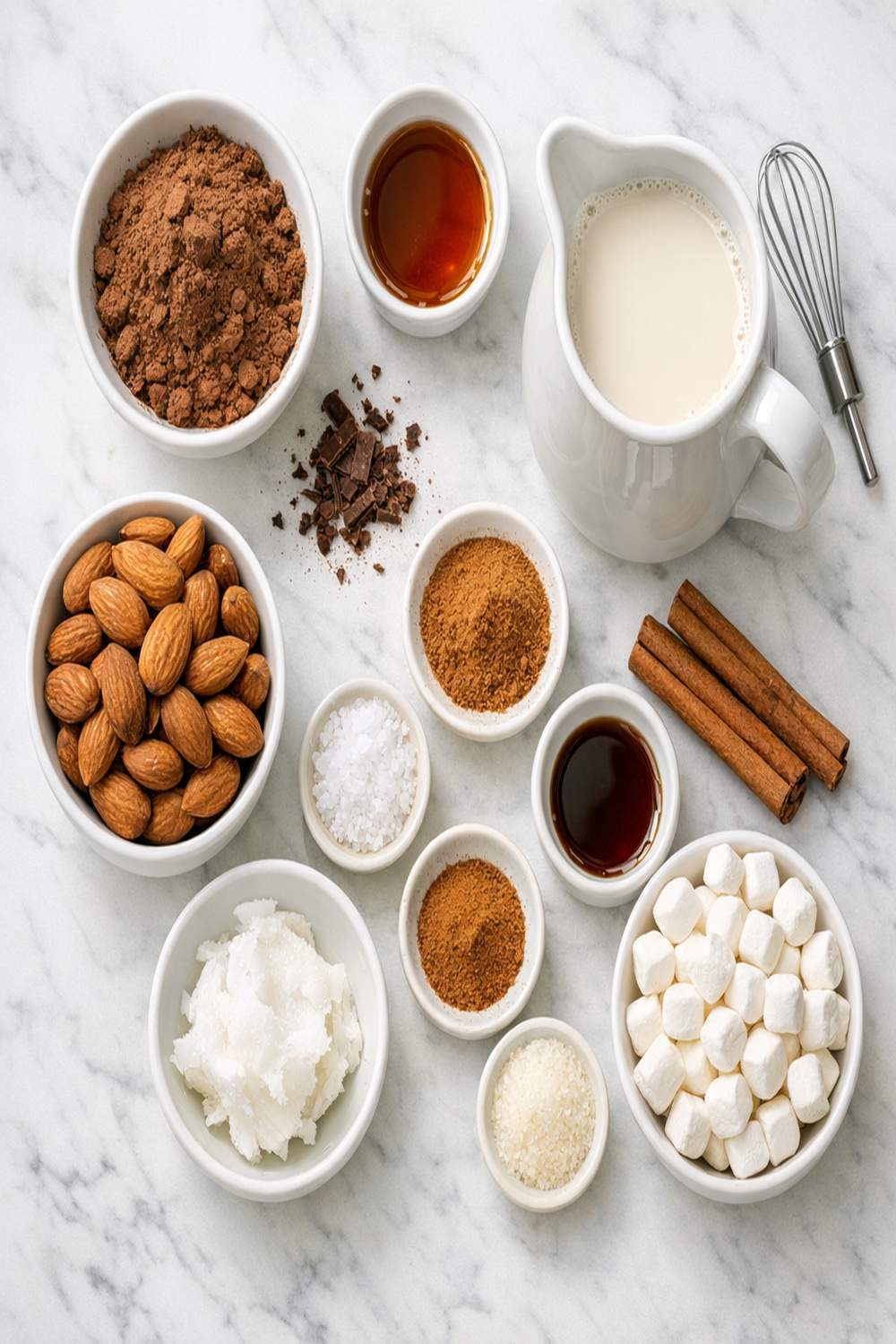
I’m particular about ingredient sourcing because you can taste the difference between mediocre and magnificent. Your almond milk should be unsweetened—no added sugars hiding in there. Your cocoa powder should be pure, with no additives. And your vanilla should be real, not the synthetic imitation that leaves a chemical aftertaste. These ingredients are few, so each one deserves to be excellent.
- Pinch of ground cinnamon (optional but traditional in Tex-Mex preparations; adds warmth without overpowering)
- 3 3/4 cups unsweetened almond milk (choose organic if possible; it contains fewer additives and tastes fresher)
- 1 teaspoon pure vanilla extract (not imitation; Madagascar vanilla creates the warmest notes)
- 1/4 teaspoon fine sea salt (essential for balancing bitterness and amplifying chocolate flavor)
- 3 tablespoons pure cane sugar or coconut sugar (coconut sugar adds a subtle caramel note if you’re feeling adventurous)
- 1/4 cup unsweetened cocoa powder (look for brands like Ghirardelli or Hershey’s Special Dark; the darker, more intense varieties create richer flavor)
- 1/4 cup water brought to a boil (filtered water tastes cleaner and lets chocolate shine)
The Traditional Method: How to Make Authentic Almond Milk Hot Cocoa Recipe
Making hot cocoa the right way is an act of care. You’re not just heating chocolate; you’re honoring a tradition that goes back generations. Each step has a purpose, each technique builds flavor. This isn’t about speed—it’s about presence.
Step 1: Combine Your Dry Ingredients in a Small Saucepan
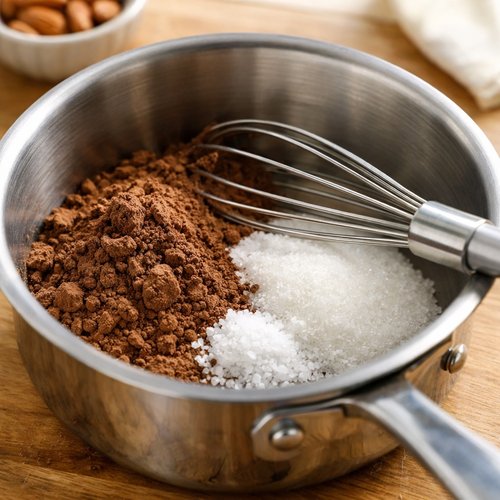
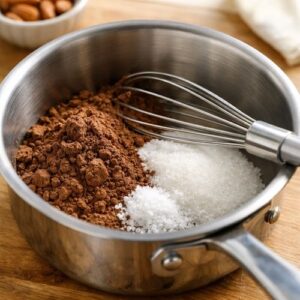
Pour your unsweetened cocoa powder, sugar, and sea salt into a small saucepan. Whisk these together thoroughly before adding any liquid. This step is crucial because it distributes the salt evenly and breaks up any cocoa clumps that would otherwise hide in your finished drink. I usually use a small whisk, something my grandmother called “making sure every speck knows it’s part of something bigger.” Take about 30 seconds here—it matters.
Step 2: Create Your Cocoa Paste with Boiling Water
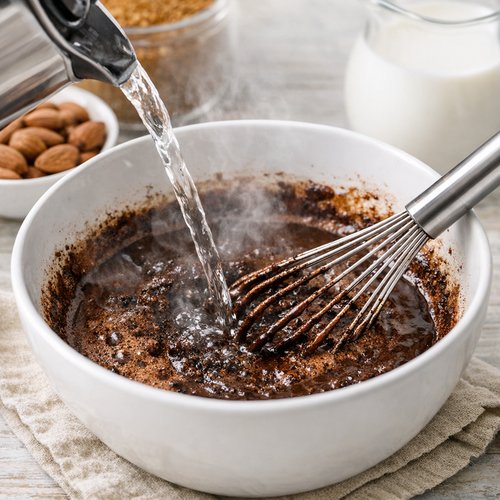
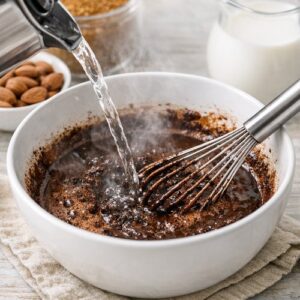
Slowly pour your boiling water into the cocoa mixture while whisking continuously. This is where the magic starts. Don’t pour all the water at once—add it gradually in three or four additions, whisking between each pour. You’re creating a smooth, thick paste that looks almost like wet sand. This paste is where all your cocoa flavor lives. If you rush this step or add water too quickly, you’ll end up with lumps and separated cocoa that won’t fully dissolve.
Keep whisking until the mixture is completely smooth and has a glossy sheen. This usually takes about two minutes. The texture should be thick and uniform—no grainy spots, no streaks of dry cocoa powder. Your grandmother would have called this “whisking until it sings,” and honestly, there’s something meditative about it.
Step 3: Slowly Add Your Almond Milk Over Medium Heat
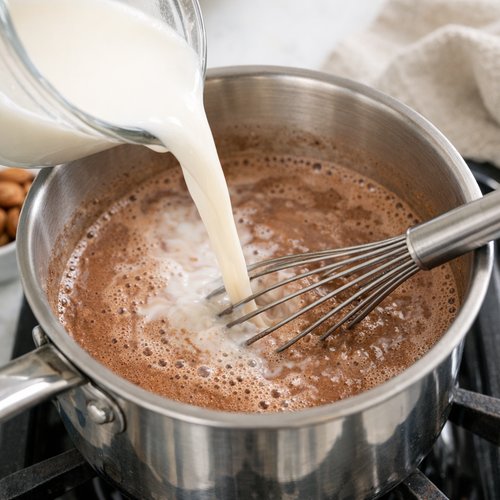
Place your saucepan over medium heat. Now comes the patience part: slowly pour in your unsweetened almond milk while whisking constantly. Add the almond milk gradually—about a quarter cup at a time—continuing to whisk between additions. This prevents separation and ensures the cocoa powder fully incorporates instead of floating on top.
As you add more almond milk, the mixture will thin out and become lighter in color. Keep whisking, keep moving your whisk in smooth, deliberate motions. You’re not trying to create bubbles or foam; you’re creating a unified, creamy drink. This is where many home cooks stumble—they get impatient and dump all the milk in at once, resulting in a separated, broken-looking drink.
Step 4: Whisk in the Vanilla Extract
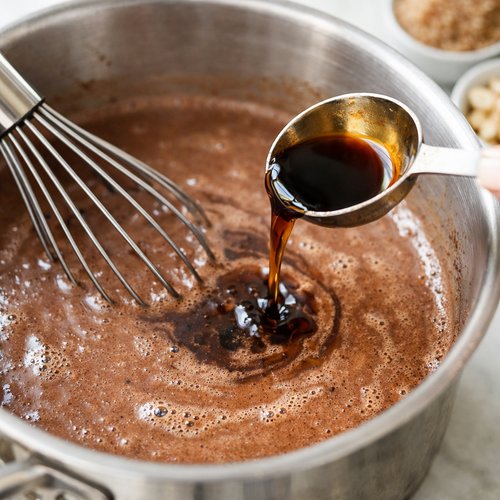
Once all your almond milk has been incorporated and the mixture is relatively smooth, remove the saucepan from direct heat for just a moment. Add your vanilla extract and whisk it through completely. The residual heat will slightly warm the vanilla and help it distribute evenly throughout the drink. Vanilla is the secret that makes people say, “There’s something special about this”—don’t skip it.
Step 5: Return to Heat and Simmer Gently
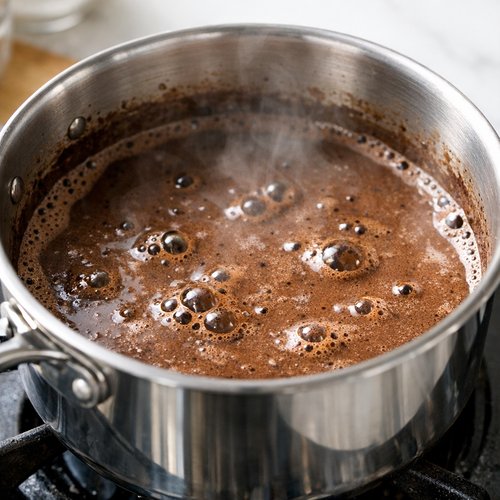
Put the saucepan back over medium heat and let everything simmer gently for one to two minutes. You’re looking for small, lazy bubbles coming up from the bottom—not a rolling boil, which would scald the almond milk and create that burnt, slightly acrid taste. During this minute or two, whisk occasionally to keep everything moving. This final heating ensures your drink is hot enough to sip immediately but not so hot that it damages the delicate almond milk proteins.
Step 6: Pour and Serve Immediately
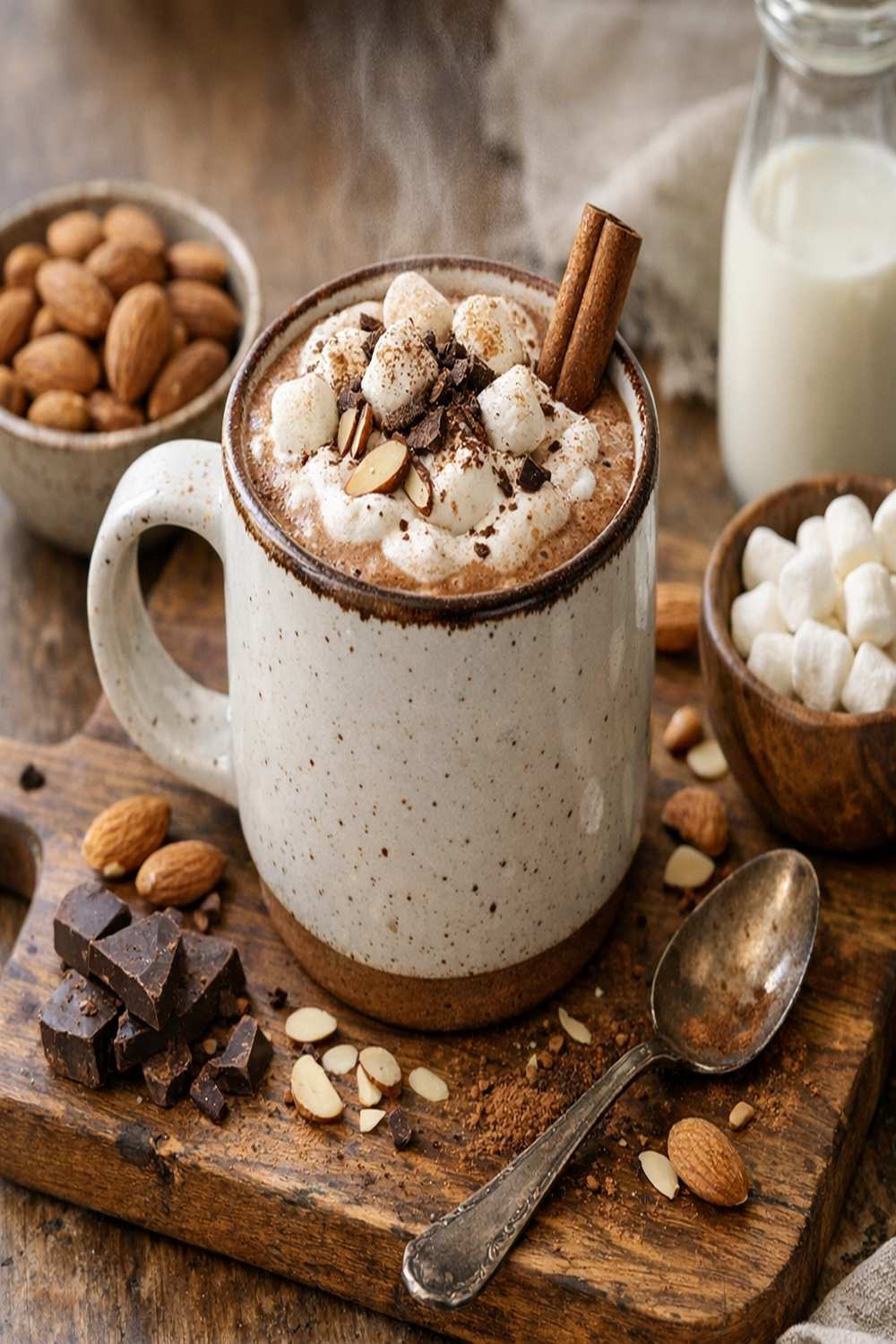
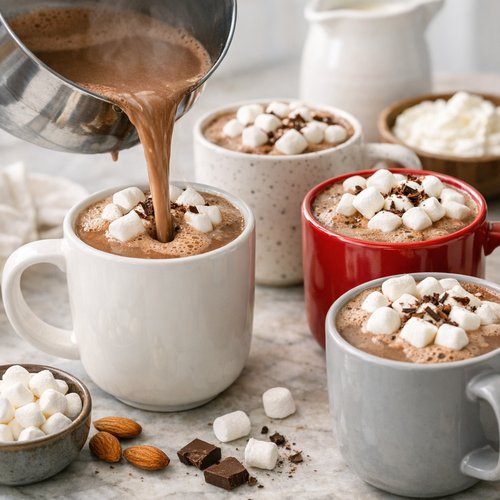
Pour your hot cocoa into four generous mugs, dividing it equally so everyone gets the full experience. Serve it right away while it’s at that perfect temperature—hot enough to warm your hands, hot enough to steam slightly, but not so hot that you can’t sip it comfortably. This is the moment when you pause, breathe in the aroma, and remember why you’re making this for yourself or your loved ones.
Regional Variations Around the World
- Spanish Hot Chocolate (Chocolate Caliente) – The Spanish version is thicker and richer, sometimes made with actual chocolate bars melted into the milk rather than just cocoa powder. They often serve it with churros for dunking. Some Spanish preparations include a pinch of cayenne pepper for heat and complexity, a tradition that influenced many American interpretations.
- Mexican Champurrado – This traditional drink adds masa harina (corn flour) or rice flour to hot chocolate, creating a thicker, more substantial beverage. Cinnamon and vanilla are essential, and sometimes a touch of chile powder adds subtle heat. It’s often served for breakfast rather than as an evening treat.
- French Hot Chocolate (Chocolat Chaud) – The French take their chocolate seriously. Their version is luxuriously thick, made with real melted chocolate or high-quality cocoa, and often includes a splash of cream. It’s sipped slowly, almost like a meditation, meant to be savored rather than rushed.
- Tex-Mex Style – In Texas and the Southwest, we blend all these traditions together. We might add a cinnamon stick, a touch of almond extract, or even a whisper of ancho chile powder. Some folks add a splash of almond milk beverage and top it with cinnamon-sugar whipped cream or a drizzle of almond butter for depth.
Traditional Serving Customs
Hot cocoa has always been a drink of occasion and connection. In European traditions, it was served in fine china, a symbol that something special was happening. In Mediterranean cultures, it marked the transition from day to evening, a moment to pause and reflect.
Traditionally, hot cocoa is served in oversized mugs or deep cups that allow the drinker to cradle the warmth in their hands. The act of holding the cup is part of the experience—it slows you down, asks you to be present. Some cultures serve hot cocoa with small pastries or biscotti for dunking. Others pair it with churros, allowing the sweetness of the drink to mingle with fried dough.
In my family, we always served hot cocoa during cold months, on holidays, or when someone needed comfort. It was never just a drink; it was a gesture. You made it for someone as a way of saying, “I care about you. Let me warm you up.” That tradition hasn’t changed, even though we’re now using almond milk and being more intentional about nutrition. The gesture remains the same.
Can I Store Almond Milk Hot Cocoa Recipe?
I always recommend making almond milk hot cocoa fresh, but I understand that real life happens and sometimes you need convenience. Here’s what I’ve learned from my own kitchen experiments:
You can prepare the cocoa paste (the combination of cocoa powder, sugar, salt, and boiling water) up to 24 hours ahead. Store it in an airtight container in the refrigerator. When you’re ready to serve, gently reheat it and add fresh, warm almond milk while whisking. This gives you about 80% of the effort done and just 20% left for serving time.
Alternatively, you can make the complete drink and refrigerate it in an airtight container for up to 3 days. When reheating, do so gently over low heat or in the microwave in 30-second intervals, whisking between each interval to prevent separation. The drink will be slightly thinner upon reheating because the cocoa solids may have settled, so you might need to whisk more vigorously than you did the first time.
I don’t recommend freezing hot cocoa because the texture of almond milk changes when frozen, becoming grainy and unpleasant. Fresh is truly best, but these storage options give you flexibility when life gets busy.
Expert’s Nutritional Tip: Why Almond Milk Makes This Special
As a registered dietitian, I get excited about almond milk for this drink for specific reasons beyond just being dairy-free. Unsweetened almond milk contains about 30 calories per cup compared to dairy milk’s 150 calories, and it’s naturally lower in saturated fat while providing heart-healthy monounsaturated fats. The cocoa powder itself delivers powerful antioxidants—specifically flavonoids and polyphenols—that support cardiovascular health and may improve blood sugar regulation.
What matters most is the combination. When you pair real cocoa powder (not sweetened cocoa mixes) with unsweetened almond milk and modest amounts of sugar, you’re creating a drink that satisfies the soul while supporting your metabolic health. The real cocoa powder provides fiber, which is often missing from plant-based beverages. This drink won’t spike your blood sugar the way many commercial hot chocolate drinks do.
One more thing: the fat in almond milk helps your body absorb the fat-soluble antioxidants in cocoa. So even though almond milk is lower in fat than dairy milk, you’re still getting excellent nutrient absorption. It’s science that tastes like a warm hug.
Make-Ahead Guide: Prep This Like a Pro
I’ve developed a system for making hot cocoa efficiently, and I’m sharing it because meal prep isn’t just about salads and grain bowls—it’s about making comfort accessible when you need it most.
Option 1: The Paste Method (My Favorite) – Make the cocoa paste as described in Step 2 and store it in a small glass jar in your refrigerator. Write the date on the lid. When you want hot cocoa, simply reheat the paste gently in a small saucepan (about 2 minutes over medium-low heat) and whisk in fresh almond milk. This works beautifully and takes about 5 minutes total from start to sipping.
Option 2: The Dry Mix Method – Combine your cocoa powder, sugar, and salt in a mason jar. Label it clearly with the ratio (so you remember you need 1/4 cup boiling water and 3 3/4 cups almond milk per serving). Store in a cool, dry cupboard for up to two months. When you want hot cocoa, measure out the dry mix and proceed with the recipe as written. This is perfect for busy seasons when you want zero-thinking comfort.
Option 3: The Complete Drink Method – Make a full batch and store it in the refrigerator in an airtight container. This works when you’re making hot cocoa for a gathering or when you know you’ll want it several mornings in a row. Reheat gently each time, whisking to ensure the cocoa powder doesn’t settle on the bottom.
My personal preference? The paste method. It gives you about 80% of the convenience while maintaining that “made with love” feeling when you actually prepare the drink.
Common Mistakes to Avoid
Mistake 1: Not Whisking the Cocoa Paste Enough – The most common error I see is rushing through the cocoa paste stage. People want to get to the finished drink quickly, so they barely mix the cocoa powder and water together. This results in lumps, graininess, and uneven chocolate flavor. Spend two full minutes on this step. Your taste buds will thank you.
Mistake 2: Adding Almond Milk Too Quickly – Pouring all the almond milk in at once is how you end up with a separated drink that looks broken and tastes inconsistent. Slow down. Add milk gradually. Whisk continuously. This is the moment where patience creates excellence.
Mistake 3: Using Flavored or Sweetened Almond Milk – “Vanilla almond milk” might seem convenient, but it adds unwanted sweetness and competing flavors. Stick with plain, unsweetened almond milk so you control the sugar content and flavor profile completely. You want your cocoa to taste like cocoa, not like cocoa mixed with vanilla.
Mistake 4: Skipping the Salt – Some people think salt has no place in a sweet drink, but a quarter teaspoon of salt actually amplifies chocolate flavor and balances bitterness. It’s not about tasting salty; it’s about tasting more chocolate. Don’t skip this ingredient.
Seasonal Variations: Adapt This Year-Round
Winter Spice Version – Add 1/4 teaspoon ground cinnamon and a pinch of nutmeg along with your vanilla. Some folks add a small cinnamon stick to the saucepan while the drink simmers for extra depth. This version feels like coming in from the cold.
Spring/Summer Version – Add 1/4 teaspoon of peppermint extract or a few fresh mint leaves (steeped and strained) for a lighter, more refreshing interpretation. Serve it slightly cooler, almost like a warm chocolate milk instead of a hot cocoa. It’s still comforting but feels less heavy.
Autumn Version – Include 1/8 teaspoon ground allspice and 1/8 teaspoon ground cloves along with your cinnamon. Some years I even add a tablespoon of pumpkin puree for color and subtle flavor. This version screams cozy nights and harvest gatherings.
Tex-Mex Version – This is my personal favorite. Add a pinch of ancho chile powder (about 1/8 teaspoon—start small), keep the cinnamon, and consider adding 1/2 teaspoon of almond extract for depth. This version honors my cultural roots and tastes absolutely magnificent.
Nutrition Information
Per serving (makes 4 servings, approximately 1 cup each):
- Calories: 145
- Total Fat: 4g (mostly from cocoa butter and almond milk)
- Saturated Fat: 1g
- Carbohydrates: 24g
- Fiber: 3g
- Protein: 1g
- Sugar: 18g (from added sugar; no hidden added sugars from the almond milk)
- Sodium: 85mg
According to USDA data, the primary nutritional benefit of this drink comes from the cocoa powder, which contains approximately 12mg of iron per tablespoon and significant amounts of polyphenols—specifically epicatechin and catechin—that support cardiovascular health. A 2015 study published in the American Journal of Clinical Nutrition showed that cocoa flavonoids improved blood vessel function and helped maintain healthy blood pressure.
The unsweetened almond milk contributes minimal calories and sugar while adding a creamy texture. If you use almond milk fortified with calcium and vitamin D (which most commercial brands are), you’re also getting about 450mg of calcium and 100 IU of vitamin D per serving, similar to dairy milk but without the lactose.
This drink represents a balanced approach to comfort. You’re getting antioxidants, minimal added sugar relative to commercial hot chocolate mixes, and satisfaction that lasts. In my practice as a registered dietitian, I see clients choose this over store-bought alternatives specifically because they can see exactly what’s in it—no mystery ingredients, no hidden additives.
What Can I Serve With Almond Milk Hot Cocoa Recipe?
Hot cocoa has always been a beverage that invites pairing and companionship. Traditional accompaniments vary by culture, but they all share one quality: they complement without overpowering.
- Biscotti or Almond Cookies – The Italian tradition of dunking hard almond biscuits into hot cocoa is pure genius. The biscuit softens just enough to release its almond flavor into the warm cocoa, creating a bridge between the drink and a light pastry. Try allulose cake recipe variations for a lower-sugar biscuit option.
- Churros (Fresh or Prepared) – The Spanish tradition of dunking churros into hot chocolate is decadent and celebratory. The crispy exterior gives way to soft interior as it soaks in warm cocoa, creating textural contrast that makes the experience richer.
- Cinnamon Toast – Simple, nostalgic, and perfect. A slice of toasted bread with butter, cinnamon, and a little sugar pairs beautifully with this drink and doesn’t overpower it.
- Chocolate Biscuits or Wafers – Light chocolate cookies allow you to sip your cocoa and enjoy a complementary flavor without doubling up on chocolate so heavily that it becomes cloying.
- Breakfast Pastries or Croissants – In European tradition, hot cocoa is breakfast food. A warm croissant or pain au chocolat alongside your mug creates a complete morning ritual.
- Fresh Fruit – Strawberries, raspberries, or sliced citrus provide bright contrast to the richness of cocoa. Their acidity cleanses the palate between sips.
For Tex-Mex occasions, I like to pair this with almond flour tortillas recipe spread with a little honey and cinnamon, or even crispy churro strips sprinkled with ancho chile powder for a savory-sweet contrast that my Texas roots absolutely celebrate.

Almond Milk Hot Cocoa Recipe
Ingredients
Method
- Pour your unsweetened cocoa powder, sugar, and sea salt into a small saucepan. Whisk these together thoroughly before adding any liquid. This step is crucial because it distributes the salt evenly and breaks up any cocoa clumps that would otherwise hide in your finished drink. I usually use a small whisk, something my grandmother called "making sure every speck knows it's part of something bigger." Take about 30 seconds here—it matters.
- Slowly pour your boiling water into the cocoa mixture while whisking continuously. This is where the magic starts. Don't pour all the water at once—add it gradually in three or four additions, whisking between each pour. You're creating a smooth, thick paste that looks almost like wet sand. This paste is where all your cocoa flavor lives. If you rush this step or add water too quickly, you'll end up with lumps and separated cocoa that won't fully dissolve. Keep whisking until the mixture is completely smooth and has a glossy sheen. This usually takes about two minutes. The texture should be thick and uniform—no grainy spots, no streaks of dry cocoa powder. Your grandmother would have called this "whisking until it sings," and honestly, there's something meditative about it.
- Place your saucepan over medium heat. Now comes the patience part: slowly pour in your unsweetened almond milk while whisking constantly. Add the almond milk gradually—about a quarter cup at a time—continuing to whisk between additions. This prevents separation and ensures the cocoa powder fully incorporates instead of floating on top. As you add more almond milk, the mixture will thin out and become lighter in color. Keep whisking, keep moving your whisk in smooth, deliberate motions. You're not trying to create bubbles or foam; you're creating a unified, creamy drink. This is where many home cooks stumble—they get impatient and dump all the milk in at once, resulting in a separated, broken-looking drink.
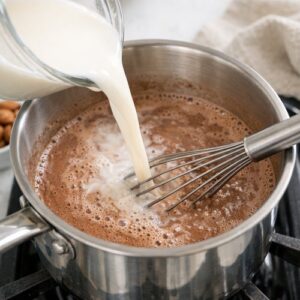
- Once all your almond milk has been incorporated and the mixture is relatively smooth, remove the saucepan from direct heat for just a moment. Add your vanilla extract and whisk it through completely. The residual heat will slightly warm the vanilla and help it distribute evenly throughout the drink. Vanilla is the secret that makes people say, "There's something special about this"—don't skip it.
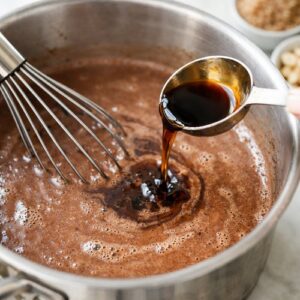
- Put the saucepan back over medium heat and let everything simmer gently for one to two minutes. You're looking for small, lazy bubbles coming up from the bottom—not a rolling boil, which would scald the almond milk and create that burnt, slightly acrid taste. During this minute or two, whisk occasionally to keep everything moving. This final heating ensures your drink is hot enough to sip immediately but not so hot that it damages the delicate almond milk proteins.
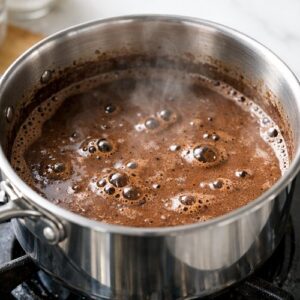
- Pour your hot cocoa into four generous mugs, dividing it equally so everyone gets the full experience. Serve it right away while it's at that perfect temperature—hot enough to warm your hands, hot enough to steam slightly, but not so hot that you can't sip it comfortably. This is the moment when you pause, breathe in the aroma, and remember why you're making this for yourself or your loved ones.

FAQs
Can I Use Sweetened Almond Milk Instead of Unsweetened?
You technically can, but I don’t recommend it. Sweetened almond milk adds extra sugar that you can’t control, making your cocoa overly sweet and masking the depth of the cocoa flavor. More importantly, it changes the drink’s nutrition profile significantly—adding anywhere from 10 to 30 extra grams of sugar per cup depending on the brand. Unsweetened gives you complete control over sweetness and lets the pure cocoa flavor shine. Stick with unsweetened and adjust the sugar amount to your preference.
What’s the Difference Between Cocoa Powder and Hot Chocolate Mix?
This is crucial: cocoa powder is pure ground cacao with most of the cocoa butter removed. Hot chocolate mix is cocoa powder combined with sugar, milk powder, and often additives like cornstarch, artificial flavors, or thickeners. When you make hot cocoa from scratch with real cocoa powder, you control exactly what goes in. You also get more intense chocolate flavor and better antioxidant content because you’re using more actual cocoa. Commercial mixes often taste sweeter and thinner because they’re designed for convenience rather than quality. Make yours from scratch.
Is This Recipe Suitable for People With Nut Allergies?
Because this recipe is built around almond milk, it’s not suitable for people with tree nut allergies unless they use a non-nut milk alternative. If you’re serving someone with nut allergies, substitute oat milk, soy milk, or regular dairy milk in the same proportion. The technique remains identical; you’re just swapping the liquid base. The cocoa powder itself is naturally nut-free.
Can I Make This Recipe Vegan?
This recipe is already vegan! Cocoa powder, sugar, salt, water, unsweetened almond milk, and vanilla extract are all plant-based. There’s no dairy involved. Make sure your vanilla extract doesn’t use glycerin derived from animal sources (most pure vanilla extracts don’t). This is genuinely a vegan-friendly drink that doesn’t sacrifice flavor or satisfaction for dietary choices.
Why Does My Hot Cocoa Separate or Look Grainy?
Separation usually happens when cocoa powder isn’t fully emulsified into the liquid, or when almond milk is added too quickly to a cold cocoa base. Prevention: spend two minutes whisking your cocoa paste thoroughly, add almond milk slowly while whisking constantly, and maintain medium heat throughout. If your drink does separate, you can often fix it by pouring it into a blender and processing for 30 seconds, then reheating gently. Next time, remember patience and gradual addition prevent this problem entirely.
More Recipes From This Tradition
- Almond Butter Recipe – Easy Comfort Food Recipes – Creamy, rich, and perfect for swirling into warm cocoa or spreading on toast alongside your mug
- Almond Flour Banana Nut Bread Recipe – Easy Comfort Food Recipes – A naturally nutty accompaniment that pairs beautifully with hot cocoa mornings
- Almond Joy Recipe – Easy Comfort Food Recipes – If you love the flavors in this cocoa, you’ll treasure this coconut-almond-chocolate combination
Final Thoughts: Making Moments, Not Just Meals
This almond milk hot cocoa recipe represents something deeper than just a beverage formula. It’s about honoring where you come from while embracing who you’re becoming. It’s about taking time to do something well, even when well takes five minutes. It’s about remembering that comfort food is called that for a reason—it wraps around your shoulders like love and says, “Everything’s going to be okay.”
When my grandmother made hot cocoa in her kitchen all those years ago, she wasn’t thinking about antioxidants or heart health. She was thinking about connection, about slowing down, about making someone feel cared for. As a registered dietitian, I’ve learned that those emotional elements matter just as much as the nutritional ones. The best food is food made with intention, served with presence, and shared with people you care about.
This recipe honors both traditions. It’s wholesome and nutritious, yes. But it’s also soulful and comforting and deeply Texan in its approach to feeding people with heart. Make this for yourself on a cold evening. Make it for someone you love. Make it when you need to remember that sometimes the simplest things—real cocoa, unsweetened almond milk, a little sugar, and time—create the greatest magic.
Enjoy your cooking journey!