This post contains affiliate links. As an Amazon Associate I earn from qualifying purchases.
Every time I tried making beef barbacoa at home, I ended up with tough, stringy meat that tasted nothing like what I’d get at my favorite Tex-Mex restaurant. The meat would either be dry as cardboard or swimming in grease, and the flavors never quite layered the way they should. Sound familiar? I spent years watching my abuela prepare dishes in her kitchen, and I realized the problem wasn’t the meat—it was my technique and my understanding of how smoke, spice, and slow cooking actually work together. Today, I’m sharing the exact method that changed everything for me, along with the clinical nutrition insights that help me guide clients toward truly satisfying, balanced meals.
Why Your Barbacoa Never Turns Out Right (And How to Fix It)
I’ve worked with so many home cooks who feel defeated by barbacoa. They brown the meat incorrectly, they skip crucial steps, or they misunderstand the balance between the cooking liquid and the aromatics. Here’s what I learned: barbacoa isn’t just about throwing everything in a pot. It requires proper searing to lock in flavor, the right ratio of braising liquid to meat, and a carefully calibrated blend of spices that actually complement each other rather than competing for attention.
As a registered dietitian, I also approach this recipe through the lens of nutrition and satiety. When you braise meat properly, you’re breaking down connective tissues and collagen, which not only improves texture but also increases bioavailability of nutrients like iron and B vitamins. This means your body actually absorbs more of what you’re eating.
What Makes This Beef Barbacoa Recipe Different?
This recipe stands out because it uses a puréed chipotle-garlic base instead of a simple sauce. When you pulse chipotle chilies, fresh garlic, and a small amount of broth together in a food processor, you’re creating an emulsified paste that clings to every fiber of the meat. This isn’t just for flavor—it’s about even distribution of heat and moisture throughout the cooking process.
I also call for searing the meat in two batches. This prevents overcrowding the skillet, which means each piece gets a proper golden crust through the Maillard reaction. That crust is pure flavor gold, and it’s where much of your depth comes from. Finally, I add fresh lime juice at the very end, just before serving. The acidity wakes up the other flavors and prevents the dish from tasting one-dimensional—something that separates restaurant-quality barbacoa from the rest.
Before You Start: What You Need to Know
Before you begin this recipe, there are two critical details that most recipes skip, and they make all the difference in your final result.
- Pat your meat completely dry before searing. Moisture on the surface of the meat creates steam, which prevents browning. You need that dry surface to achieve a golden, caramelized crust that builds deep, complex flavors.
- Don’t skip the searing step, and don’t rush it. A common mistake is searing the meat too quickly over high heat or in a crowded pan. You need 3–4 minutes per side to develop that crucial flavor foundation. If you skip this, your barbacoa will taste flat and one-dimensional, no matter how long it slow cooks.
The Ingredients
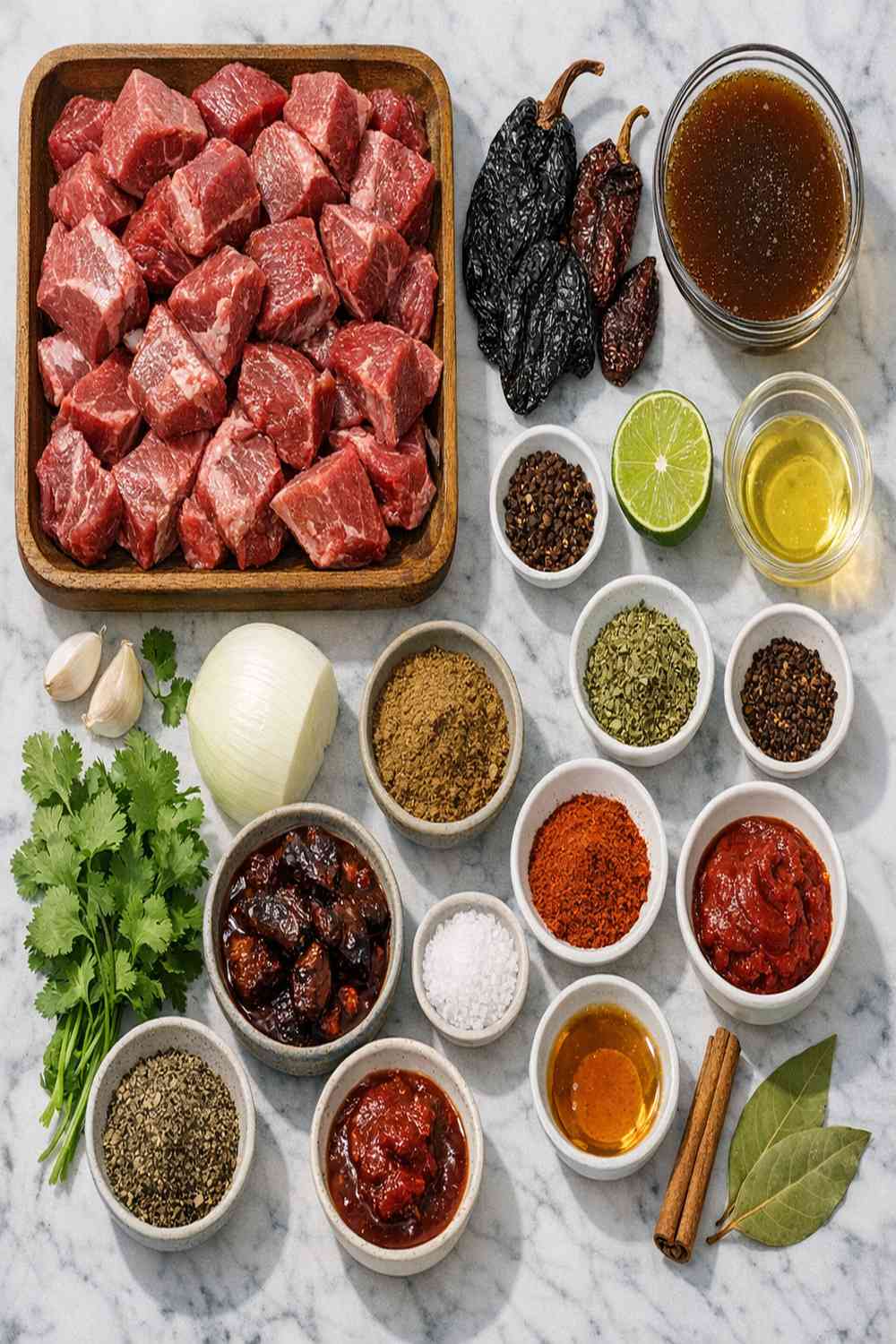
I’ve chosen each ingredient in this recipe with intention. The chuck roast provides the right amount of marbling—enough fat to keep the meat moist during the long cook, but not so much that the dish feels greasy. The chipotle chilies bring smoke and subtle heat, while the aromatic spices create layers of warmth. Here’s what you’ll need to make this dish that serves 6–8 people beautifully.
- 3 to 4 chipotle chilies in adobo sauce (the smoke and depth here is irreplaceable—don’t substitute with regular chili powder)
- ¼ teaspoon ground cloves (use sparingly—this spice is powerful and should whisper, not shout)
- 1 tablespoon dried oregano (provides herbaceous notes that balance the smokiness)
- 6 garlic cloves (fresh garlic becomes sweet and mellow during long cooking)
- 1¼ cups beef broth divided into two portions (the broth becomes your braising liquid and base for the sauce)
- 3 pounds chuck roast with marbling intact (this cut becomes incredibly tender during slow cooking and has the fat distribution needed for flavor)
- 2 tablespoons apple cider vinegar (this brightens the final dish and adds subtle sweetness)
- ¼ cup fresh lime juice (bottled juice loses its brightness; fresh is essential here)
- 1½ tablespoons ground cumin (adds earthy warmth and aids in digestion)
- 3 bay leaves (they infuse the cooking liquid with subtle complexity)
- 2 tablespoons vegetable oil (divided for searing both batches of meat)
- Salt and freshly ground black pepper to taste (I use about 1 teaspoon salt and ¾ teaspoon pepper for the searing)
Step-by-Step: How to Make Beef Barbacoa Recipe Without Fail
I’m going to walk you through this process with confidence. If you follow these steps exactly, you will end up with tender, flavorful meat that tastes like it came from a restaurant kitchen. Let’s begin.
Step 1: Prepare Your Meat for Searing
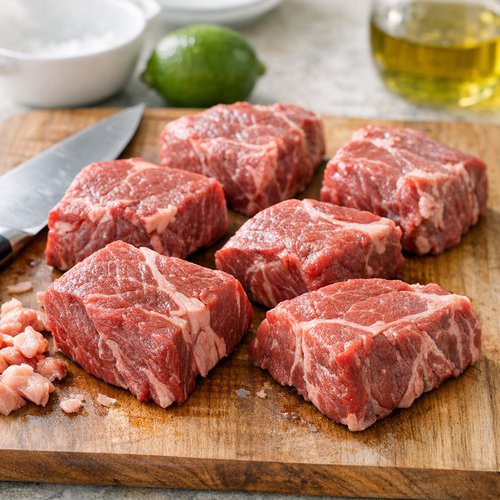
Start by cutting your three-pound chuck roast into six roughly equal portions. As you work through the meat, trim away any large pockets of fat—not all the marbling, but the thick, waxy chunks that won’t render down. This is important because you want the fat distributed throughout the meat, not in large chunks that will make your finished dish greasy.
Once your meat is portioned, pat each piece completely dry with paper towels. This step feels simple, but it’s crucial. Any moisture on the surface will create steam during searing, and steam prevents browning. You need that dry surface for the Maillard reaction—the chemical process that creates those deep, caramelized flavors.
Step 2: Season and Sear the First Batch
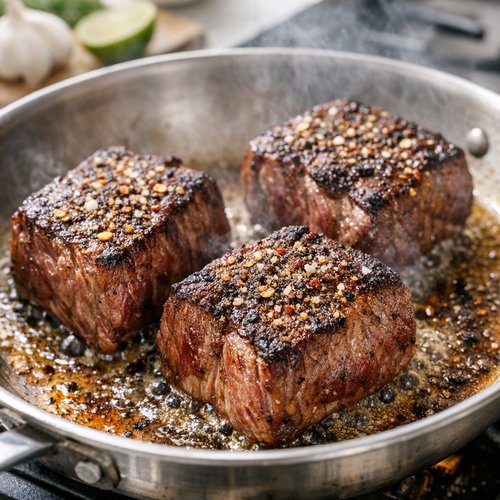
Heat one tablespoon of vegetable oil in a large skillet over medium-high heat. While the oil is heating, season three of your meat portions generously with salt and black pepper—about one teaspoon of salt and three-quarters teaspoon of pepper total. Don’t be shy with seasoning at this stage. The salt will draw out the meat’s natural juices, which will mingle with the spices to create a flavorful crust.
Once your oil is shimmering (not smoking), carefully place three meat portions in the skillet. Resist the urge to move them around. Let each piece sit undisturbed for 3–4 minutes until a golden-brown crust forms on the bottom. Flip the meat and sear for another 3–4 minutes on the second side. You want each piece to have a deep caramelized crust on at least two sides.
Transfer these three seared pieces to your slow cooker and arrange them in a single, even layer on the bottom.
Step 3: Sear the Remaining Meat
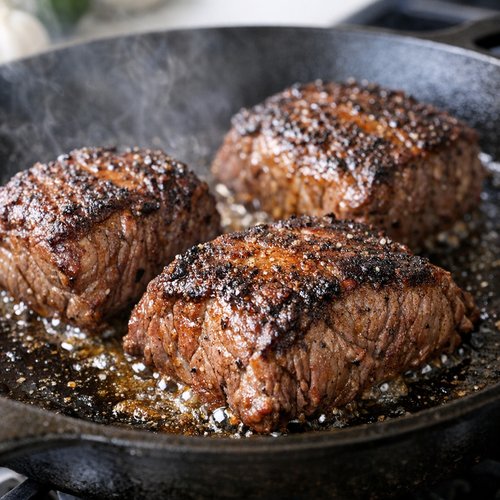
Add the remaining tablespoon of vegetable oil to your skillet and repeat the searing process with the final three meat portions. Season them with the remaining salt and pepper, and sear until golden on all sides. This second batch should take the same amount of time as the first—don’t rush it.
Once seared, nestle these three pieces into the slow cooker alongside the first batch, creating an even layer. Don’t stack the meat. You want it to sit in a single layer so the braising liquid can reach every surface.
Step 4: Make Your Chipotle-Garlic Purée
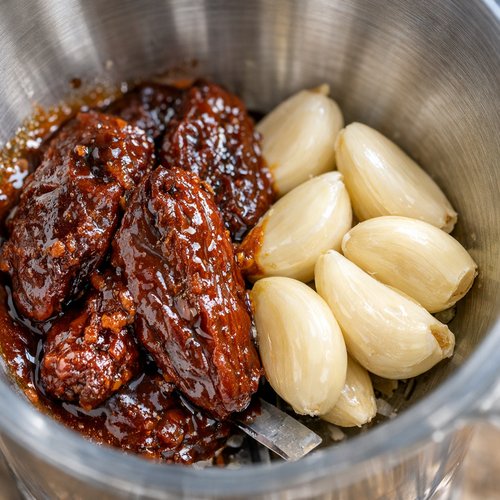
This is where the magic happens. Place your three to four chipotle chilies (with some of their adobo sauce clinging to them), six fresh garlic cloves (peeled but whole), and one-quarter cup of your beef broth into a food processor. Pulse until completely smooth—there should be no visible chunks of garlic or chili. Stop occasionally and scrape down the sides of the processor to ensure everything blends evenly.
The result should look like a thick, russet-colored paste. This paste is what creates those complex layers of flavor in your finished barbacoa. It’s not just a seasoning—it’s an emulsified base that clings to the meat and flavors it from the inside out as it slow cooks.
Step 5: Build Your Braising Liquid
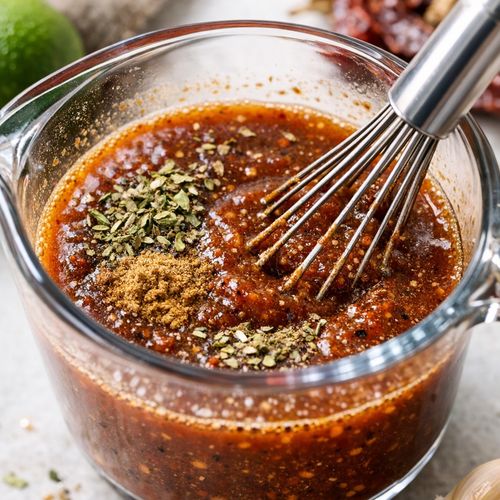
In a measuring cup or small bowl, whisk together the remaining one cup of beef broth with your chipotle-garlic purée. Add the ground cumin, dried oregano, and ground cloves. Stir thoroughly until the spices are fully dissolved and there are no clumps. This ensures even seasoning throughout the cooking process.
The spices should be distributed evenly—you’re not looking for texture here, but for uniformity. This braising liquid is what transforms those seared meat portions into fall-apart-tender barbacoa over the next eight to nine hours.
Step 6: Combine Everything in the Slow Cooker
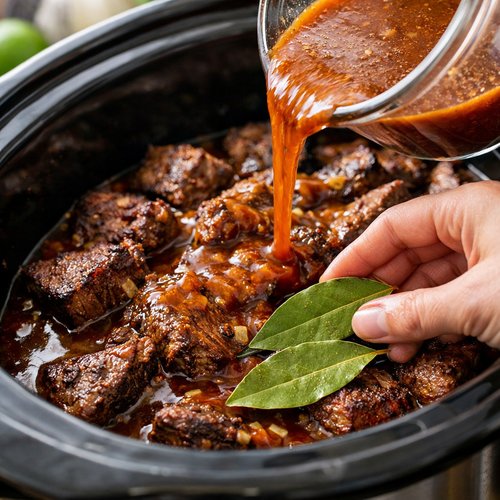
Pour your spiced braising liquid evenly over the seared meat in the slow cooker. Using your fingers or tongs, nestle the three bay leaves between the meat portions. The bay leaves should be partially submerged in the liquid—they’ll infuse it with subtle, sophisticated notes as everything cooks.
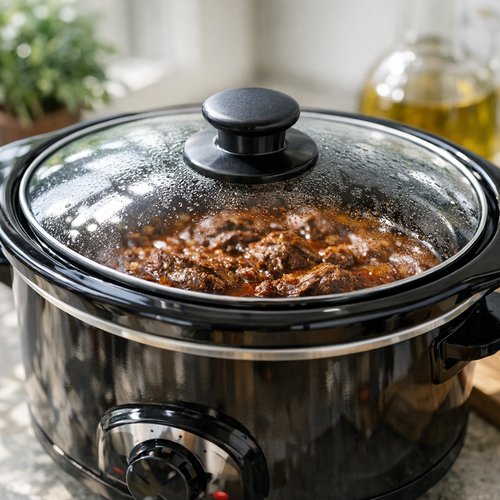
Cover your slow cooker and set it to the low heat setting.
Step 7: Cook Low and Slow
This is the part where you step back and let the slow cooker work its magic. Cook on low heat for 8 to 9 hours. I recommend starting in the morning if you want to serve dinner, or in the late afternoon if you’re making this ahead for the next day.
Don’t lift the lid repeatedly to check on the meat. Every time you open that lid, you release heat and steam that’s essential to the cooking process. Trust the process. Your home will smell absolutely incredible as the hours pass.
Step 8: Shred and Finish with Citrus
After eight to nine hours, open your slow cooker and you’ll see meat so tender it practically falls apart when you look at it. Using tongs or two forks, carefully remove each piece of meat from the slow cooker and place it on a cutting board or shallow dish. The braising liquid should remain in the slow cooker.
Once the meat is cool enough to handle, shred it using two forks, pulling the meat into rustic, bite-sized pieces. Don’t shred it too fine—you want texture in your finished dish, not a stringy paste.
Now comes the final, crucial step: stir the fresh lime juice and apple cider vinegar into the braising liquid that remains in the slow cooker. Return your shredded meat to the slow cooker and fold it gently into the liquid. Cook on low or warm setting for 20 to 30 minutes to let the acidity brighten all the flavors you’ve built throughout the day.
Step 9: Strain and Serve
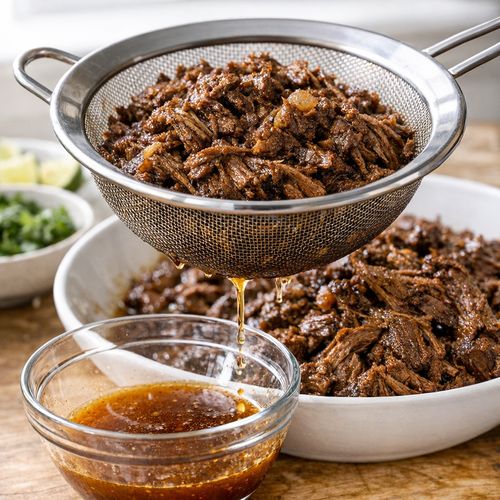
When you’re ready to serve, strain most of the braising liquid from the meat using a slotted spoon or fine-mesh strainer. You can reserve a small amount of liquid to spoon over individual servings if desired, but too much liquid will make your tortillas soggy.
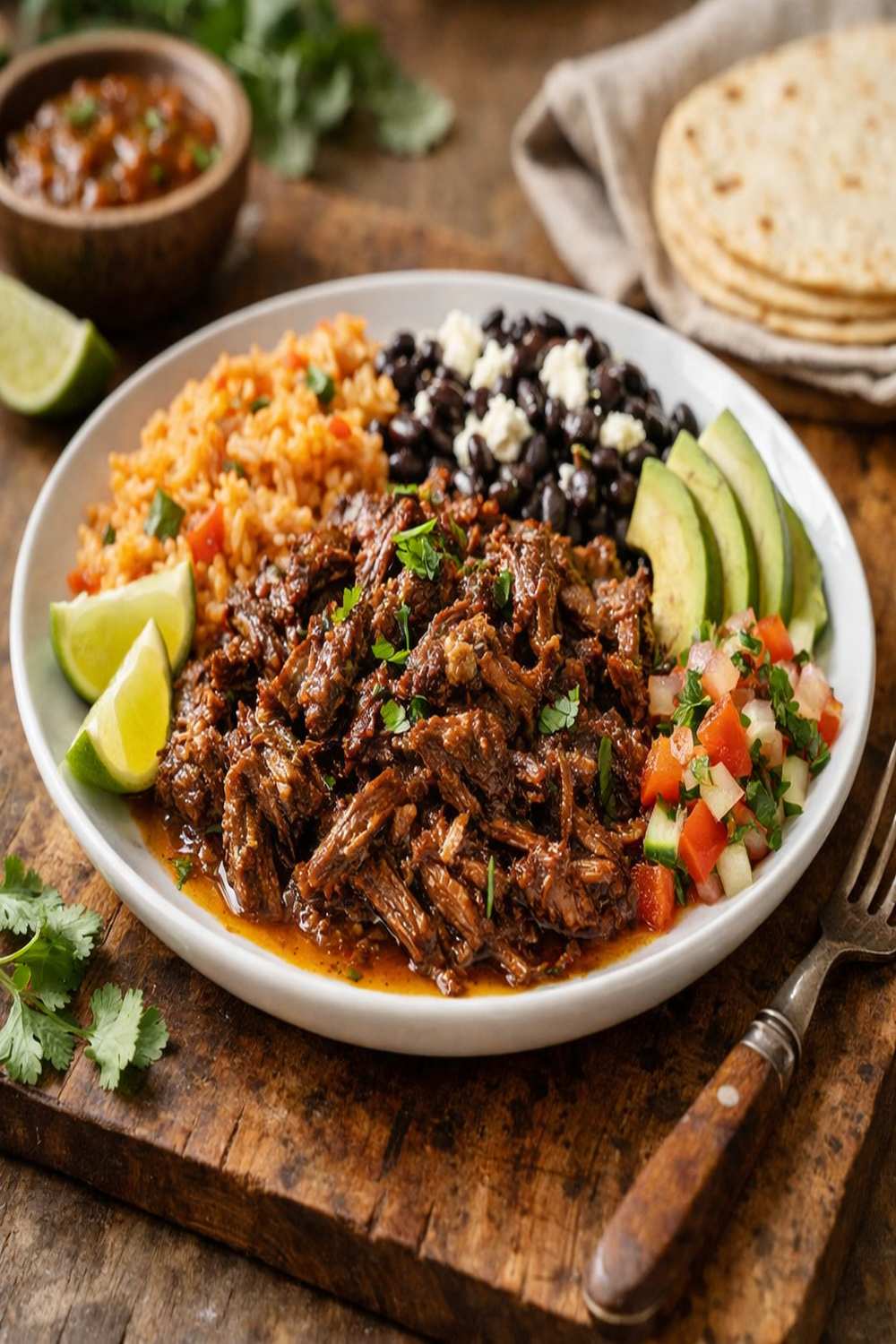
Transfer your shredded barbacoa to warm tortillas and top with your favorite accompaniments. Fresh cilantro, diced onion, a squeeze of lime, and a dollop of your favorite salsa all work beautifully here.
The Most Common Mistakes (And How to Avoid Them)
- Skipping the searing step or rushing through it. Searing takes time, and it feels like an extra step when you have a slow cooker, but it’s where half your flavor comes from. If you skip it or sear the meat over heat that’s too low, you’ll end up with meat that tastes boiled instead of braised. Always take 3–4 minutes per side, on medium-high heat, until you see a golden crust.
- Overcrowding the skillet during searing. If you try to sear all six pieces at once, you’ll drop the skillet’s temperature dramatically. The meat will steam instead of sear, and you’ll miss that crucial crust. Always sear in two batches, even if it takes longer. Your patience now means better flavor later.
- Not patting the meat dry before seasoning. This is so easy to overlook, but surface moisture is the enemy of browning. Spend 30 seconds patting each piece dry with paper towels before it hits the skillet. You’ll see an immediate difference in how deeply the meat browns.
- Leaving out or reducing the chipotle chilies. I know they seem intimidating if you’re not used to them, but they’re the backbone of authentic barbacoa flavor. Don’t skip them, and don’t substitute with regular chili powder. The smokiness is irreplaceable, and it’s what makes this taste like a restaurant dish instead of a home version.
- Adding the lime juice at the beginning instead of the end. Acid breaks down proteins, which could make your meat mushy if added too early. Always add citrus in the final 20–30 minutes. It brightens the dish without compromising texture.
How Do I Know When It’s Done?
After eight to nine hours on low heat, your barbacoa should pass three very specific tests. First, the meat should be so tender that it falls apart when you press it gently with the back of a spoon—no resistance, no chewiness. Second, the braising liquid should have reduced by about a third and developed a rich, dark color. It should look concentrated and glossy, not thin and watery.
Third, and perhaps most importantly, the smell should be absolutely intoxicating—deeply savory, with warm spice notes and a hint of smoke. If your slow cooker smells amazing, you’re definitely done. If it smells mild or one-dimensional, give it another hour and check again.
One final visual cue: when you open that slow cooker lid, you should see a thin layer of rendered fat on the surface of the braising liquid. That fat carries flavor, and it’s a sign that the collagen in the meat has properly broken down and gelatinized.
Troubleshooting: When Things Go Wrong
- The meat is tough or chewy after nine hours. This usually means your skillet or slow cooker temperature was too high. Slow cooking at too high a temperature causes proteins to contract and toughen. Check your slow cooker’s temperature with an oven thermometer—it should maintain about 190°F on low. If it’s running hot, reduce cooking time by 30 minutes and check texture. Also, make sure your meat is actually chuck roast, not a leaner cut like sirloin, which won’t become tender with moist heat.
- The braising liquid is too thin or watery. This happens when there’s too much liquid relative to meat. Don’t skip the straining step—strain most of the liquid away before serving. You can always drizzle a small amount back on top if you want more moisture. If this happens to you mid-cook (around hour 6), you can remove the slow cooker lid for the final few hours to allow some liquid to evaporate.
- The meat is falling apart too much—almost like shreds. You’ve likely overcooked it, or your slow cooker runs very hot. While this won’t ruin the dish, try reducing the cooking time by 30 minutes next time. The meat should shred easily but still hold together in rustic chunks when plated.
Can I Store Beef Barbacoa Recipe?
Absolutely, and this recipe is actually one of the best make-ahead dishes I recommend. Stored in an airtight container in the refrigerator, beef barbacoa will keep for 3–4 days. The flavors actually deepen and improve as it sits, making this a fantastic choice for meal prep.
For freezing, barbacoa keeps beautifully for up to 3 months in a freezer-safe container or even a heavy-duty freezer bag (lay it flat to save space). When you’re ready to use it, thaw it overnight in the refrigerator, then reheat gently in a skillet over medium-low heat or in a slow cooker on the warm setting for 20–30 minutes. Add a splash of beef broth or water if the mixture seems dry after thawing.
I love making this on a Sunday afternoon and using it throughout the week for tacos, taco bowls, nachos, or even barbacoa quesadillas. It’s the kind of recipe that keeps giving back to your busy week.
Nutrition Information
Based on USDA data, a serving of beef barbacoa (approximately 4 ounces of meat with a small amount of braising liquid) contains roughly 280 calories, 18 grams of protein, 22 grams of fat, and 2 grams of carbohydrates. The protein content is significant—this is important because protein creates satiety, meaning you’ll feel fuller longer. As a registered dietitian, I’m always looking for meals that satisfy both nutritionally and emotionally, and barbacoa delivers on both fronts.
The beef also provides significant amounts of iron (essential for oxygen transport and energy), B vitamins (especially B12, which is only found in animal products), and zinc (crucial for immune function). The chipotle chilies contribute capsaicin, a compound that may boost metabolism slightly and has anti-inflammatory properties. When you braise meat using moist heat, you’re actually increasing the bioavailability of these nutrients—your body absorbs more of what you’re eating compared to a quick-cooked steak.
What Can I Serve With Beef Barbacoa Recipe?
Barbacoa is incredibly versatile, and the beauty is that it pairs beautifully with both traditional and creative accompaniments. I always start with warm flour or corn tortillas, but the toppings are where you can really personalize the experience. Try fresh cilantro, diced red onion, thinly sliced radishes, and a squeeze of fresh lime. Diced jalapeños add heat, and a dollop of sour cream or Mexican crema adds richness.
For a lighter option, serve it over a bed of lettuce with black beans, corn, diced tomato, and a lime-cilantro vinaigrette—essentially a deconstructed taco salad. Or build a barbacoa rice bowl with stick butter rice as your base, topped with the shredded meat, black beans, corn, and fresh vegetables.
If you’re making this for a gathering, I love setting up a barbacoa bar where guests can build their own tacos or nachos. It creates that soulful gathering feeling I learned from my abuela—food as a way to bring people together.
- Warm flour tortillas with crema and fresh cilantro – the creamy richness balances the smoke and spice beautifully
- Over a bed of lettuce with black beans and fresh vegetables – turns your barbacoa into a light, protein-rich salad
- Rice bowl with corn, black beans, and a lime vinaigrette – creates a complete, satisfying meal with balanced macronutrients
- Nachos with melted cheese, jalapeños, and sour cream – perfect for entertaining or game day gatherings
- Alongside restaurant style salsa and warm chips – serve as an appetizer or starter course
- In quesadillas with Oaxaca or mozzarella cheese – the heat melts the cheese while the meat stays tender and flavorful
FAQs
Can I use a different cut of meat, like brisket or sirloin?
You could, but chuck roast is honestly the ideal choice. Chuck has the right balance of marbling and connective tissue—it has enough fat to stay moist and flavorful during the long cook, but it’s not so fatty that you end up with a greasy dish. Brisket can work, but it’s leaner in some parts and fattier in others, which creates uneven results. Sirloin is too lean and will end up tough. If chuck roast isn’t available, look for a beef chuck eye roast or beef shoulder roast—both will give you similar results.
What if I don’t have a slow cooker?
You can absolutely make this in a Dutch oven in the oven instead. After searing your meat and combining your braising liquid and spices, transfer everything to a Dutch oven, cover it with the lid, and cook at 325°F for 3 to 3.5 hours. The oven’s consistent heat actually works beautifully for this dish. Check the meat at the 2.5-hour mark to see how it’s progressing, as ovens can vary. The meat is done when it shreds easily with a fork.
Can I make this ahead of time for a party?
Yes, and I actually recommend it. Make the barbacoa one or two days ahead, store it in the refrigerator, and then reheat it gently just before serving. The flavors will deepen and mellow as it sits. When reheating, add a splash of beef broth or water to bring back some moisture, and warm it slowly over medium-low heat or in a slow cooker on warm. This is one of my favorite make-ahead dishes for entertaining because the hardest part is done before your guests arrive.
My chipotle paste keeps clumping when I add it to the broth. What am I doing wrong?
The paste is thicker than the broth, so it needs to be tempered gradually. Instead of dumping the paste into all the broth at once, whisk the paste into the broth slowly while stirring constantly. Or, thin the paste first with a couple tablespoons of the broth, mix until smooth, then add it to the rest of the broth. The key is gradual incorporation so the paste dissolves evenly instead of seizing into clumps.
Is barbacoa supposed to be spicy?
Not intensely spicy, no. The chipotle chilies provide heat, but it’s balanced heat—more smoke and depth than sharp spiciness. If you’re sensitive to heat, you can reduce the chipotle chilies to 2 or 3 instead of 3 to 4. You could also scoop out some of the seeds from the chilies before pulsing them (the seeds carry most of the heat). Conversely, if you love heat, add an extra chipotle or a pinch of cayenne pepper to the braising liquid.
Expert’s Nutritional Insight: Why This Recipe Satisfies
From a nutritional standpoint, what makes this barbacoa so satisfying is the combination of complete protein, collagen breakdown, and balanced fat content. When you slow-braise beef, the collagen in the connective tissue converts to gelatin, which not only improves texture but also provides glycine and proline—amino acids that support skin health, joint function, and gut integrity.
The fat in chuck roast isn’t empty calories; it’s a vehicle for fat-soluble vitamins and flavor compounds. When you pair this protein-and-fat-rich dish with fiber-rich black beans, vegetables, and whole grain tortillas, you create a meal that keeps blood sugar stable and prevents the energy crashes that come from refined carbohydrates. This is why barbacoa makes such a satisfying meal—it’s not just delicious; it’s nutritionally complete.
Make-Ahead and Meal Prep Guide
This recipe is a meal-prepper’s dream. Here’s my exact system: I make a full batch on Sunday afternoon, and it powers my lunches and easy dinners for most of the week.
Day of cooking (Sunday): Follow the recipe exactly. Let the barbacoa cool slightly in the slow cooker, then pour it into airtight glass containers. Store in the refrigerator—it’ll keep for 3–4 days. The flavors actually improve after 24 hours as the spices continue to meld.
For freezing: Divide the cooled barbacoa into freezer-safe containers (I use 4-serving portions in quart-size containers), leaving about an inch of space at the top. Label with the date. Frozen barbacoa keeps for up to 3 months. To thaw, move a container to the refrigerator the night before you want to use it. Reheat gently in a skillet over medium-low heat, adding a splash of broth if needed.
Weekly use: Monday or Tuesday, I make tacos. Wednesday, I layer it into nachos with cheese and jalapeños. Thursday, I turn it into a rice bowl with beans and fresh vegetables. Friday, I might make quesadillas. The versatility means you never get bored, and you always have a protein ready to go.
Seasonal Variations
Spring/Summer: Serve your barbacoa in lighter preparations—as a salad over mixed greens, in lettuce wraps, or in a fresh taco with lots of cilantro and lime. Pair it with lighter sides like grilled corn or a simple cucumber salad. The bright acidity of fresh lime juice really shines in warmer months.
Fall/Winter: Embrace heartier preparations. Serve it in warm tortillas alongside refried beans and Spanish rice. Use it to top loaded nachos or in barbacoa quesadillas with melted cheese. The warm spices and rich meat feel especially comforting when the weather turns cool.
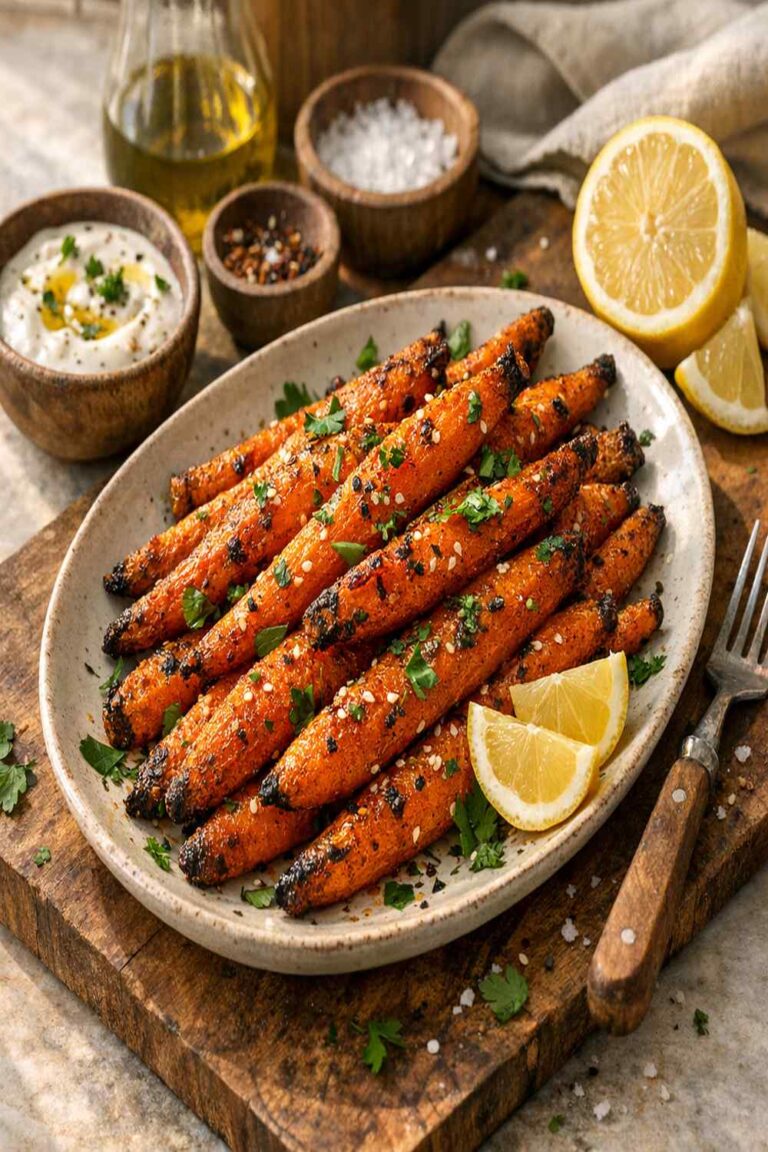
Year-round tip: During any season, you can add roasted vegetables to your serving. Sheet pan roasted carrots paired with barbacoa creates a beautiful, nutritionally complete plate with sweet root vegetables balancing the savory, smoky meat.
More Recipes You’ll Love
- Airfryer Steak Recipe – another beef dish that’s perfect for busy weeknights when you don’t have time for slow cooking
- Copycat KFC Coleslaw Recipe – the perfect crunchy, cool complement to barbacoa tacos and nachos
- Air Fry Carrots Recipe – a quick vegetable side that pairs beautifully with barbacoa rice bowls
You now have everything you need to make barbacoa that tastes like it came from a professional kitchen. You understand the why behind every step, you know what to avoid, and you have strategies for making this a regular part of your cooking rotation. This is the kind of recipe that brings people together—it’s the food that says, “I care about you, and I’m willing to spend time creating something meaningful for our table.”
I learned this from my mother and grandmother, who understood that the best meals are made with intention and shared with love. Every time you make this barbacoa, you’re honoring that tradition while creating new memories with the people you feed. Enjoy your cooking journey!