
Ingredients
Method
Step 1: Prepare Your Marinade Base
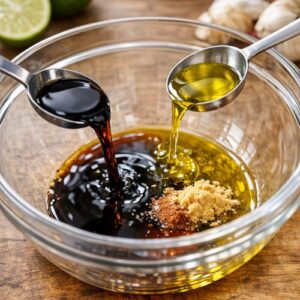
- Pour your three teaspoons of soy sauce, two tablespoons of olive oil, two teaspoons of rice vinegar, one-half teaspoon of ground ginger, one-quarter teaspoon of garlic powder, and one-quarter teaspoon of freshly cracked pepper into a small bowl. Whisk these together until they're fully combined—you're looking for an emulsion that looks cohesive and glossy. This is where the flavor begins. The ginger and garlic will distribute evenly through the oil and soy, creating a balanced marinade that tenderizes while flavoring. Make-Ahead Tip: This marinade can be prepared up to three days in advance. Store it in an airtight glass container in your refrigerator. I often make a double batch and keep it on hand for whenever inspiration strikes.
Step 2: Marinate Your Steak with Purpose
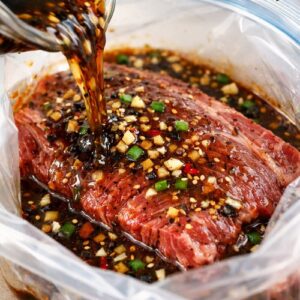
- Place your pound of trimmed beef skirt steak into a large zip-top plastic bag or a shallow glass dish. Pour your prepared marinade over the meat, then work the bag or use your hands to coat every surface thoroughly. You want the meat completely submerged or completely coated—no dry spots hiding. The soy sauce and vinegar will begin breaking down the muscle fibers almost immediately, while the ginger and garlic infuse their warmth. Marinating Timeline: For best results, refrigerate for at least thirty minutes. However, if you have more time, marinating for two to four hours deepens the flavor beautifully. I don't recommend marinating longer than overnight, as the acid begins to break down the meat texture in ways that can make it mushy. Pro Tip: If you're marinating in a bag, flip it halfway through. If you're using a dish, give it a gentle stir midway. This ensures even flavor distribution and consistent tenderizing across the entire cut.
Step 3: Prepare Your Cooking Surface
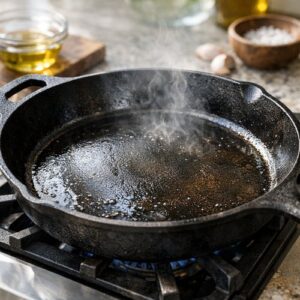
- This is where texture happens, so pay attention. Remove your cast iron skillet from the cupboard—and please use cast iron if you have it. The heat retention is unmatched, and it creates that gorgeous caramelized crust we're after. Place your skillet over medium-high heat and let it preheat for three to four minutes. You'll know it's ready when a single drop of water dances across the surface before evaporating. This is the temperature sweet spot. Equipment Note: If you don't have cast iron, a heavy stainless steel skillet works beautifully too. Avoid nonstick for this recipe—you want that robust sear, and nonstick surfaces can't handle high enough heat for the flavor development we're creating.
Step 4: Sear Your Steak to Perfection
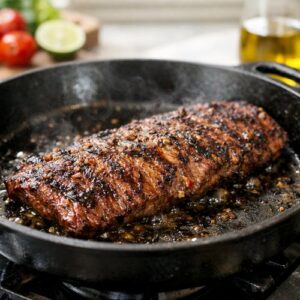
- Remove your marinated steak from the refrigerator and let it sit at room temperature for five to ten minutes while your skillet finishes heating. This ensures more even cooking throughout. When your skillet is properly preheated, carefully place the beef skirt steak into the center. You should hear a satisfying sizzle immediately—that's the Maillard reaction beginning, which creates the flavor compounds that make this dish restaurant-quality. For Medium-Rare Perfection: Cook undisturbed for three minutes. This means no poking, no prodding, no flipping. Let the heat work. You'll resist the urge to move it—I promise it's worth the restraint. After three minutes, gently press down on the steak with the back of your spatula for just a moment to maximize surface contact. This creates even better caramelization. Then flip and cook for an additional three minutes on the second side. Doneness Adjustments: If you prefer medium or medium-well, add one to two additional minutes per side. Remember that the internal temperature continues rising during the resting period, so remove the steak from the skillet when it's one to two degrees below your target temperature. A meat thermometer reading one hundred thirty degrees Fahrenheit will climb to one hundred thirty-five as it rests—that's perfect medium-rare.
Step 5: Rest Your Steak Like a Professional
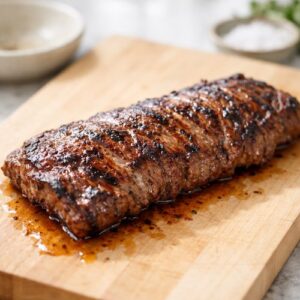
- Remove your beautifully seared beef from the heat and transfer it to a clean cutting board or warm plate. This resting period is non-negotiable—don't skip it, no matter how hungry you are. Let that steak rest for ten minutes. During this time, the muscle fibers relax and reabsorb their juices, which keeps every bite succulent instead of dry. If you cut into it immediately, all those flavorful juices run onto the plate instead of staying in the meat. While your steak rests, you can set the table, plate your sides, or take a breath. This is actually the easiest part of the cooking process.
Step 6: Slice and Serve with Style
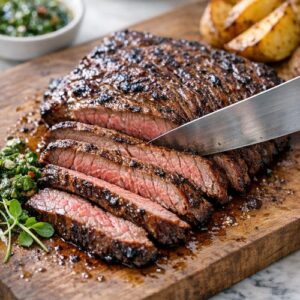
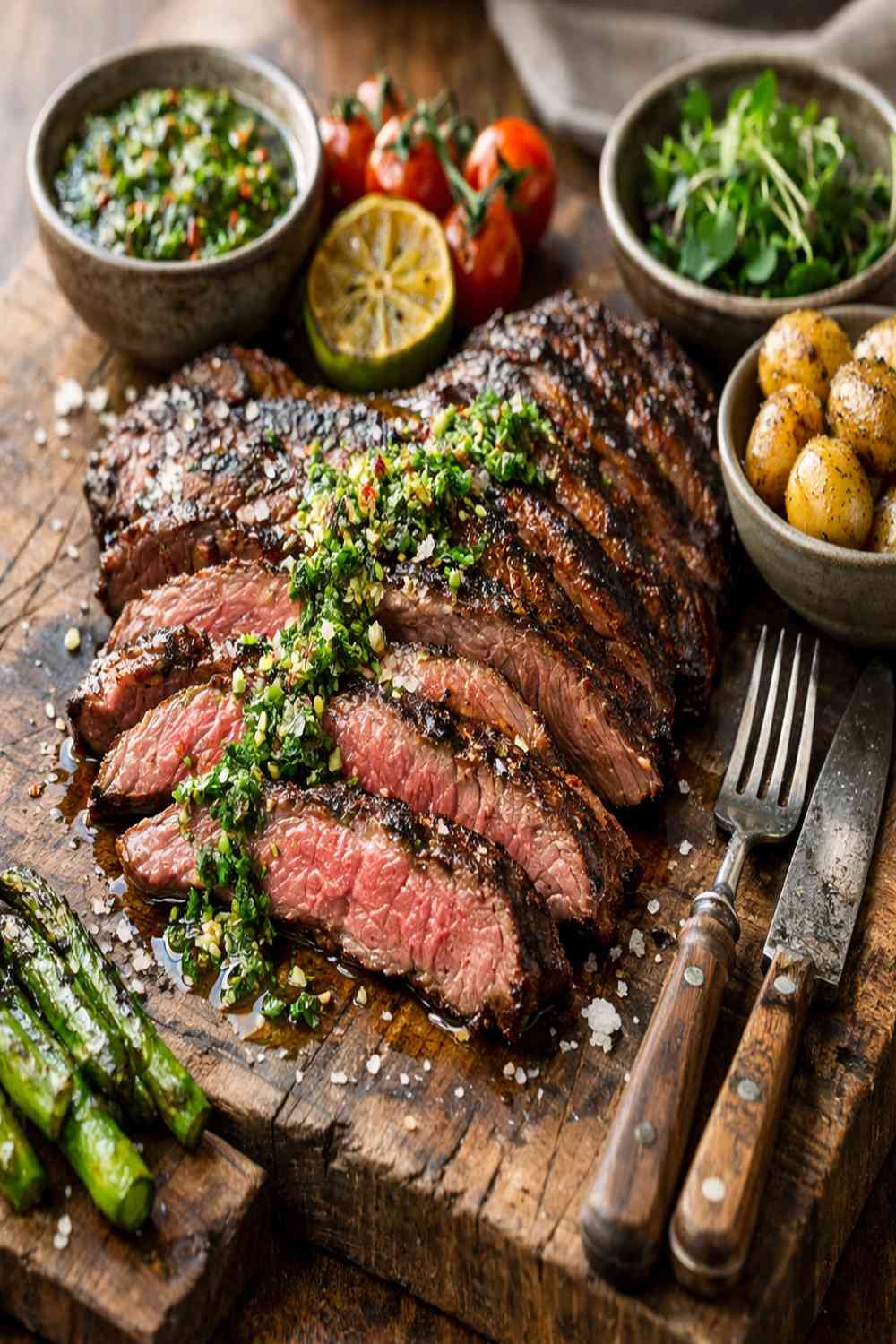
- After the ten-minute rest, this is where precision matters. Look at your rested steak and identify the grain direction—you can usually see the muscle fibers running lengthwise. Now, using a sharp chef's knife, slice the steak thinly against the grain. This means cutting perpendicular to those muscle fibers, which shortens them and makes every bite tender. Aim for one-quarter to three-eighths inch thick slices. This thickness is thin enough to be tender but thick enough to still feel substantial and meat-forward. Arrange your slices on the serving platter, drizzle with any accumulated pan juices, and garnish with chopped green onion for a pop of color and fresh onion bite. Serve immediately while everything's still warm.